manhwa books are rapidly gaining popularity worldwide, captivating audiences with their distinctive art style, compelling storytelling, and cultural richness. These Korean comics stand out from traditional Western comics and Japanese manga, offering a unique blend of visual and narrative artistry that appeals to diverse age groups and preferences. Whether you’re a seasoned comic enthusiast or a curious newcomer, exploring manhwa books opens up an entirely new universe of entertainment that continually evolves with innovative themes and artistic excellence.
In this comprehensive guide, we’ll delve into the intriguing world of manhwa books, exploring their origins, unique characteristics, genres, and the pivotal role they play in the global comics industry. From top book recommendations to industry trends, discover why manhwa books are more than just a passing fad—they are a cultural phenomenon reshaping how stories are told across borders.
The Growing Popularity of Manhwa – A Comprehensive Guide
The surge in manhwa’s popularity can be attributed to an increasing global appetite for Korean culture, often described as the Korean Wave or Hallyu. Platforms like Webtoon and Lezhin Comics have made manhwa widely accessible, allowing readers from all corners of the world to indulge in this Korean storytelling style without language barriers, thanks to translations and local adaptations. As a result, what was once a niche genre has become mainstream, attracting millions of readers who appreciate the art, storytelling, and cultural insights embedded in each story.
Moreover, the rise of digital comics has played a crucial role in democratizing access to manhwa books. These platforms offer innovative monetization models, such as subscriptions and microtransactions, enabling creators to produce diverse content and push creative boundaries. The community-driven nature of online reading fosters engagement through comments and fan theories, adding an interactive layer that nurtures loyalty and enthusiasm. This increasing exposure is also elevating Korean authors’ profile, allowing them to gain international recognition and influence the future direction of the medium.
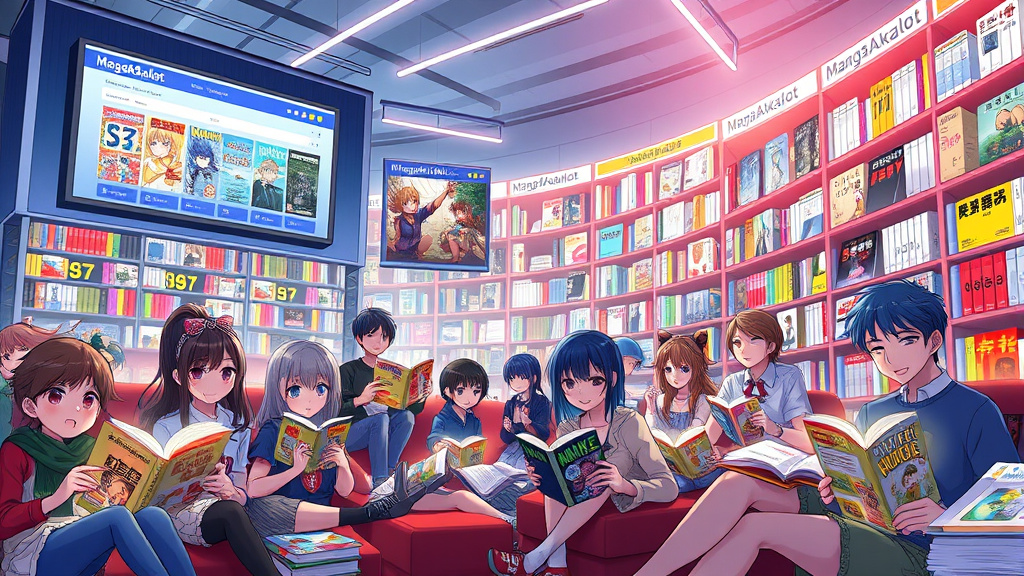 Hình minh họa: manhwa books – read manga sex
Beyond Manga: Exploring the Unique World of Manhwa
While manga and manhwa share similarities as comic styles from East Asia, manhwa books possess distinct characteristics that set them apart. One major difference is their reading direction—manhwa is traditionally read from left to right, horizontal orientation, similar to Western comics, which makes it more accessible for new readers unfamiliar with manga’s right-to-left reading flow. Visually, manhwa often emphasizes detailed backgrounds and sophisticated character designs, blending modern graphic influences with traditional Korean aesthetics.
Culturally, manhwa incorporates specific Korean societal themes, history, and folklore, offering a glimpse into Korea’s unique perspectives and contemporary issues. This cultural specificity enriches storytelling, fostering appreciation of Korean traditions, language nuances, and social dynamics. As a result, manhwa books become a fascinating cultural bridge, allowing international audiences to connect deeply with Korean stories while gaining insight into Korea’s evolving identity. Exploring manhwa beyond manga broadens readers’ horizons and deepens their understanding of East Asian storytelling practices.
Top 10 Must-Read Manhwa Books for New Readers
For those just beginning their journey into manhwa, choosing the right titles can be overwhelming. To guide newcomers, here are ten highly acclaimed manhwa books that showcase the breadth and depth of this art form:
- Solo Leveling – A gripping action-fantasy about a weak hunter who suddenly gains the ability to level up infinitely.
- Tower of God – An epic adventure that follows a young man climbing a mysterious tower to find his loved one.
- The Beginning After the End – A fantasy story about a king reborn into a new world, blending adventure with introspection.
- Noblesse – A vampire superhero story with strong characters and intricate plots.
- True Beauty – A romantic comedy highlighting societal beauty standards and self-acceptance.
- Lookism – A social commentary wrapped in a high school setting, dealing with appearance and societal perceptions.
- Bastard – A dark psychological thriller exploring themes of abuse and moral dilemmas.
- Orange – A heartfelt story about regret, friendship, and changing one’s future through letters from the future.
- God of High School – An adrenaline-pumping martial arts saga with mystical elements.
- Hive – A recent hit blending horror, mystery, and supernatural themes with compelling character development.
These titles represent a mixture of genres, tones, and storytelling styles that can help new readers find their personal favorites while appreciating the rich diversity manhwa books have to offer.
A Deep Dive into the Diverse Genres of Manhwa
Manhwa books encompass a wide spectrum of genres, making them inherently adaptable for different tastes. Shonen-style action stories like God of High School or Tower of God appeal to fans of intense martial arts and supernatural battles. Conversely, romance titles such as True Beauty or I Love Yoo explore complex relationships and emotional growth, resonating with readers seeking heartfelt narratives.
Additionally, genres like horror (Bastard, An Unkindness of Ghosts), psychological thriller (Berserk of Gluttony), and historical fiction (The Boxer) demonstrate manhwa’s versatility. Even slice-of-life stories and coming-of-age tales flourish in manhwa books, capturing everyday struggles and personal development with authentic emotion. As Korean creators continue to push genre boundaries, the variety ensures that every reader can find compelling stories reflecting their interests, making manhwa a inclusive and continually expanding medium.
Manhwa vs. Manga – Key Differences and Similarities
While manhwa and manga both originated in East Asia and share visual storytelling roots, they exhibit notable distinctions rooted in cultural, stylistic, and production choices. A primary difference is their panel layout—manhwa tends to have horizontal, left-to-right reading panels, which aligns with Western reading habits, resulting in a more familiar orientation for international audiences. Manga, on the other hand, retains the traditional right-to-left flow, preserving Japanese cultural nuances and artistic conventions.
Stylistically, manhwa often features more detailed, modern artwork with a more polished finish, merging Western comic influences with Korean aesthetic sensibilities. In terms of content, manhwa books frequently explore themes pertinent to Korean society, such as family, societal hierarchies, and contemporary issues, while manga may incorporate Japanese folklore, mythology, and cultural references. While both mediums excel in compelling storytelling, their differences enhance the viewing experience, collectively enriching the global comics landscape by offering diverse artistic approaches and narratives.
The Art of Manhwa – Visual Storytelling at its Finest
One of the most distinctive elements of manhwa books is their visually engaging art style. Korean artists emphasize crisp, clean lines paired with detailed backgrounds, giving each scene depth and atmosphere. The expressive character designs and dynamic action sequences heighten emotional impact, capturing subtle facial expressions and body language that convey complex feelings without words.
Furthermore, the use of color in digital manhwa, especially on platforms like Webtoon, elevates storytelling by creating mood, emphasizing dramatic moments, and guiding reader focus. The artistry in manhwa is a perfect complement to its narratives, allowing readers to immerse themselves visually and emotionally into each story. Many artists push artistic boundaries, experimenting with panel layouts, color palettes, and innovative visual techniques, which not only tell stories more vividly but also set new standards for comic art globally.
Manhwa Publishers and Their Impact on the Industry
Major publishers such as Lezhin Comics, Webtoon, and KakaoPage have revolutionized the accessibility and distribution of manhwa books worldwide. These platforms have democratized publishing by offering a space where independent creators can upload their works directly to a global audience, bypassing traditional print limitations and costs. This public accessibility has led to an explosion of creative diversity and niche genres, giving voice to characters and stories previously underrepresented.
The impact of these publishers extends beyond distribution; they also influence content quality and series longevity through licensing deals, digital-first strategies, and active community engagement. By fostering a vibrant creator ecosystem, they encourage innovation and experimentation, which in turn elevates the entire industry. As the popularity of manhwa continues to explode, these publishers are shaping not only market trends but also cultural perceptions, solidifying manhwa books as a key component of global pop culture.
Where to Read Manhwa Books – Online Platforms and Print Options
In today’s digital age, reading manhwa books has never been easier thanks to numerous online platforms offering vast libraries of digital comics. Platforms like Webtoon and Lezhin Comics provide free and paid access to hundreds of titles, often with simultaneous updates and community features such as comments and rating systems. These platforms often host both popular series and lesser-known gems, giving readers a chance to discover emerging talents and genres.
For readers who prefer traditional print or collectors interested in owning physical copies, limited print runs and hardcover editions are occasionally available through specialized stores and online retailers. Some publishers have started to release official manga-style printed volumes, catering to fans who appreciate high-quality art books or want tangible memorabilia. Whether digital or print, these access points ensure that man’s appeal thrives across diverse preferences and reinforces the international reach of manhwa books.
Manhwa Adaptations – From Page to Screen and Beyond
Many successful manhwa have been adapted into animated series, live-action dramas, and movies, showcasing their storytelling appeal across media. Titles like Solo Leveling and The God of High School have inspired anime adaptations, attracting viewers who may not typically read comics but enjoy animated action and compelling plots. Live-action adaptations—for better or worse—bring manhwa stories into the real world, often sparking lively debates about fidelity to source material and cultural representation.
These adaptations significantly boost the popularity of the original manhwa books, expanding their fanbase and demographics. They also inspire new creative projects, such as spin-offs, merchandise, and video games, turning beloved stories into multi-platform franchises. The transition from page to screen demonstrates the flexibility and cultural relevance of manhwa, ensuring its stories resonate beyond the comic pages and continue to evolve in contemporary entertainment landscapes.
The Future of Manhwa – Trends and Predictions
Looking ahead, the future of manhwa books appears exceptionally promising, driven by technological innovations, global collaboration, and evolving audience demands. We can anticipate even more interactive and multimedia storytelling formats, integrating augmented reality (AR) and virtual reality (VR) to deepen immersion. The rise of AI-assisted art tools could lead to faster production cycles and more experimental art styles, further diversifying the visual landscape.
Furthermore, cross-cultural collaborations are likely to increase, blending Western storytelling techniques with traditional Korean themes, creating hybrid genres that appeal worldwide. As manhwa continues to gain mainstream recognition, its influence on other media—such as video games, movies, and merchandise—will accelerate. The coming years promise a flourishing scene of creativity and innovation, making manhwa books not just a Korean cultural export but a cornerstone of global pop culture.
Conclusion
Manhwa books are a captivating and evolving form of storytelling that combine exquisite art with diverse narratives rooted in Korean culture, yet universally relatable. Their increasing popularity is driven by accessible digital platforms, vibrant creator communities, and successful adaptations beyond comics. Exploring manhwa offers a unique window into Korea’s societal themes, artistic innovation, and emerging genres, appealing to a global audience eager for fresh perspectives and innovative stories. As this medium continues to grow, it will undoubtedly shape the future of comics worldwide, reinforcing manhwa’s place as a dynamic and influential force in contemporary entertainment.